Cities
0
One pilot city per point

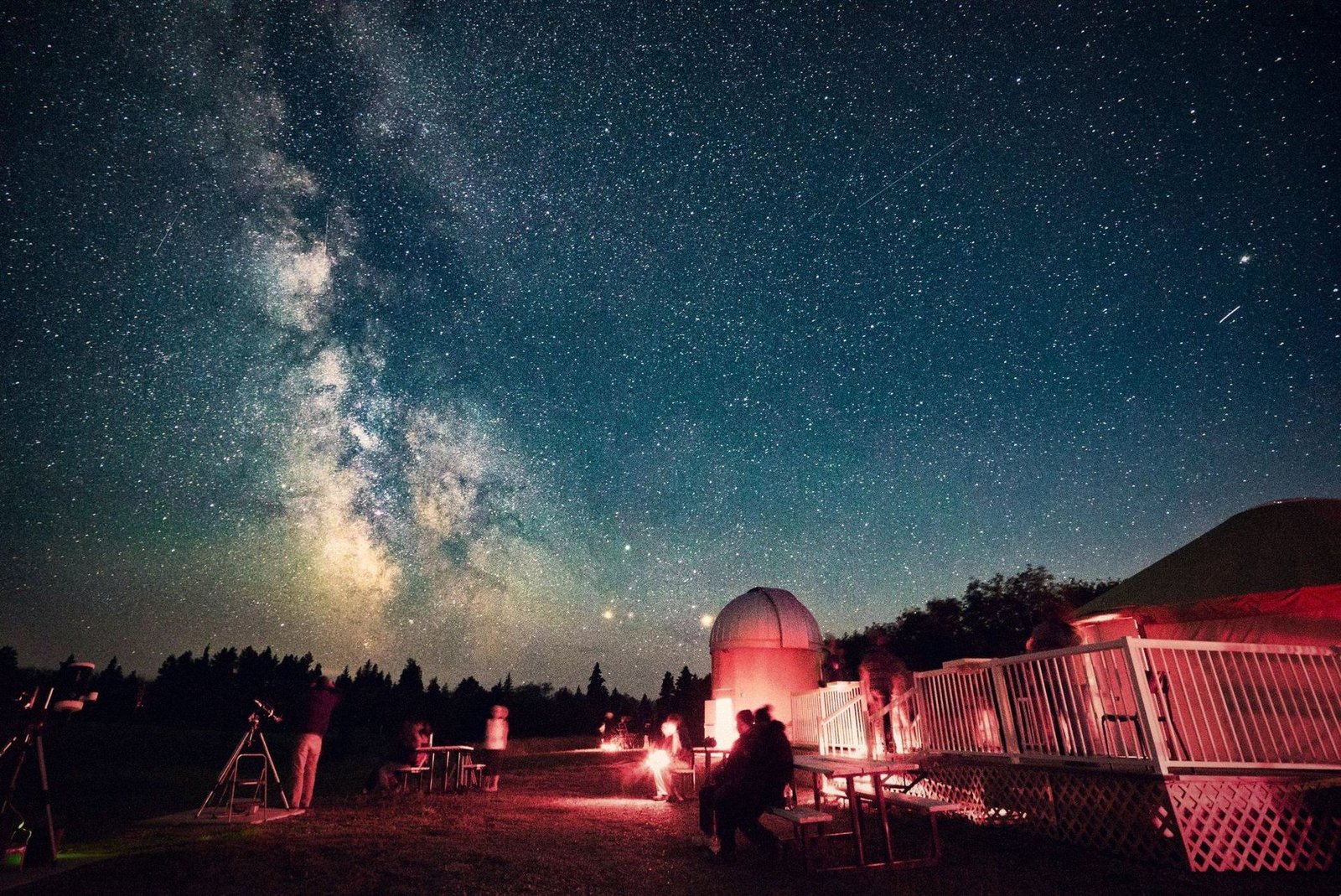
Pillar 01 · Space Education
And a clear path from there to a first job in space.
Why space · Careers
Space is now a full industry, not only a government programme. It needs engineers, coders, scientists, lawyers and business people. Here is how big it is, where the jobs are, and how the club helps you get there.
It is worth about $8.4 billion today. The government’s 10-year plan aims for $44 billion by 2033, including $11 billion of exports.1
The world space economy reached $686 billion in 2025. India has about 2% of it today and aims for 8% by 2033. Forecasts put the world market at $1.8 trillion by 2035.2,3
= 1,000 new jobs
That is the forecast for aerospace, drones and space technology. Fresh engineering graduates in the sector start at about ₹6 to 8 lakh a year.4,10
India had one space startup in 2014. By August 2026 there were about 440. Private investment grew about six times between 2021–22 and March 2026.5,9
Five ways into space
Design and build rockets, satellites, engines and the parts inside them.
Mechanical, aerospace, electronics or electrical engineering.
Write the software that flies a spacecraft, and turn satellite data into answers for farms, cities and banks.
Computer science, data science, mathematics or statistics.
Study planets, stars and our own climate, and design the instruments that do it.
Physics, mathematics, geology or earth sciences, then a master’s or PhD.
Keep missions flying: track satellites, talk to them, and run launches safely.
An engineering degree or diploma, telecom, or physics.
Turn space into companies, contracts and rules: the side of the industry that grows fastest after engineering.
Law, economics, public policy, management or any degree plus a space course.
Beyond India
Each hub sits at its real distance and direction from New Delhi. Tap one to see how many people work in space there.
How the club helps
School clubs and the Space Olympiad give a first look at space, free for government schools.
Space Courses and Space Labs at member colleges teach the skills each track needs.
Students earn Mission Points on STARC and move from Stargazer to Pathfinder.
A portfolio that shows every step, ready for a first internship, job or startup.
Figures for 2033 and 2035 are targets and forecasts, not results.
For schools
Government schools join free, so a first look at space never depends on a fee.
A Certified Space Educator course for teachers, planned for 2027 to 2028.
State rounds lead to a national final for school students.
For colleges
The three ways every member college takes part.
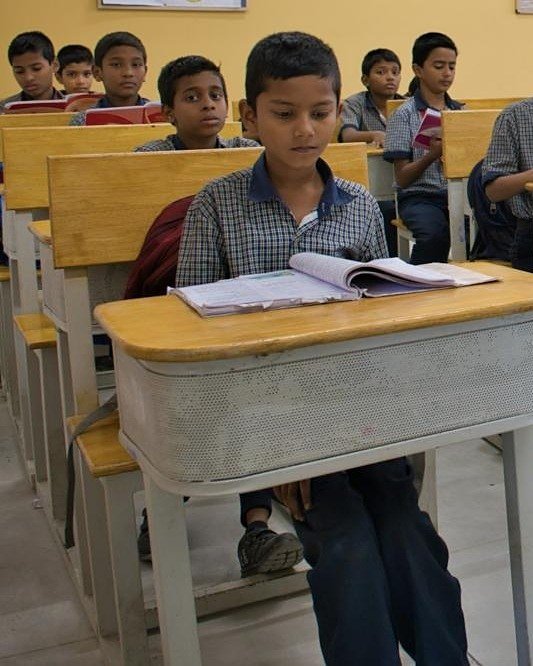
Structured courses, workshops and project tracks for students and faculty, delivered with our education partner.
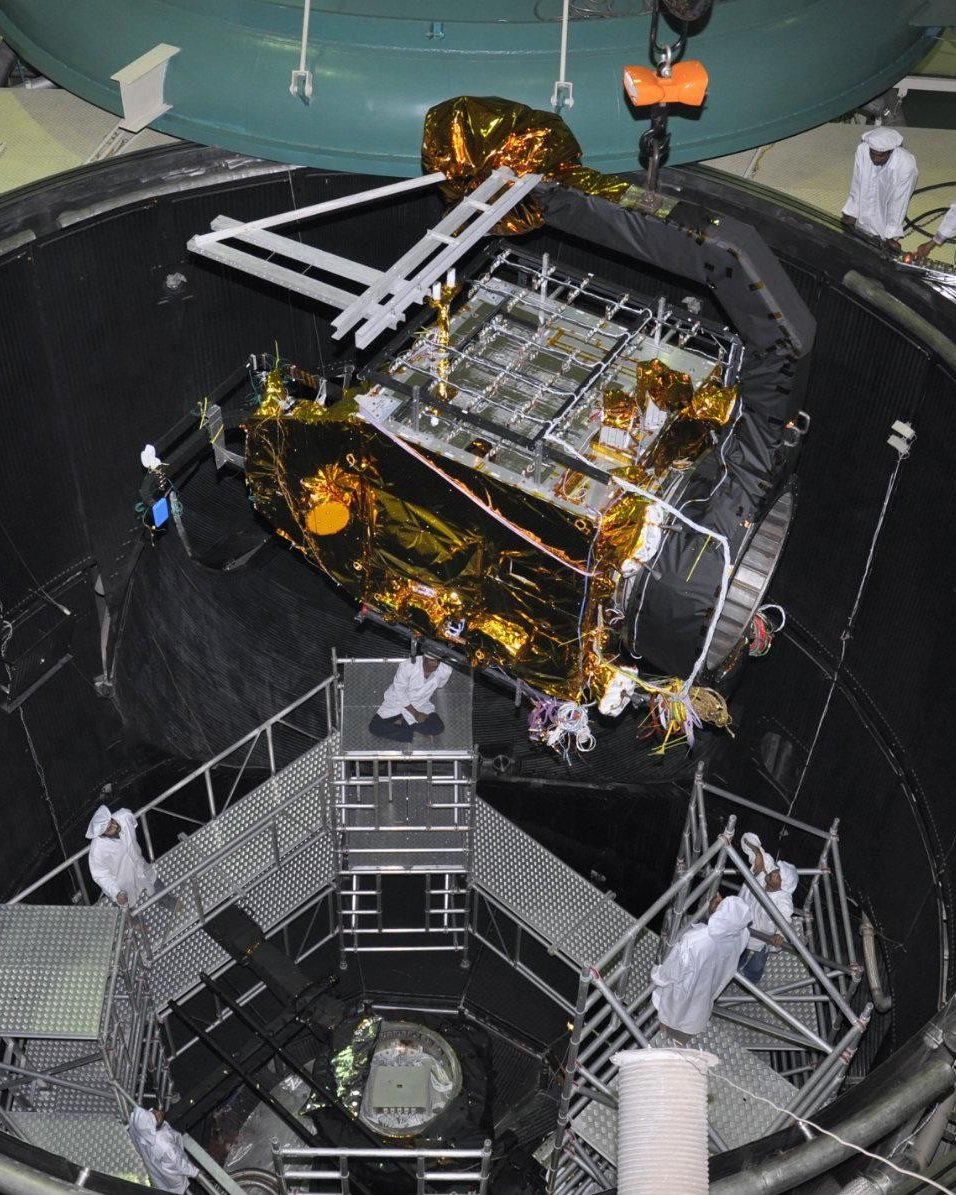
Each college chooses its modules: observe, build, track, simulate and more. Four levels, from Lab Lite to an Innovation Hub with an observatory.
STARC is our online platform for students. It keeps profiles, certificates, lab bookings and Mission Points (points students earn by taking part) in one place. Students move up a level as they take part.
The student path
Six steps, recorded on the student's own portfolio, so every stage of progress can be shown.

Flagship pilot · Space Pathways
January 2027 to June 2028.
One pilot city per point
Each dot is 20
Space Club of India · Membership 2026–27
Founding members
One national home for everyone
who looks up
Membership · Apply to join
Apply in a few lines. The Secretariat reviews every application with the Apex Body. Tell us who you are and why space matters to you.
Your privacy, by design. We use no advertising or tracking cookies. Videos open in a pop-up through YouTube's privacy-enhanced mode, only when you press play. Cookie notice